

Quick answer
Whale watching Brisbane time of year centers on the June to November humpback migration, with July and August offering the highest sighting rates as northbound pods travel closest to the continental shelf. September and October bring southbound whales with newborn calves that linger in sheltered Moreton Bay waters, while June and November mark the migration's opening and closing weeks with sparser, faster-moving pods.
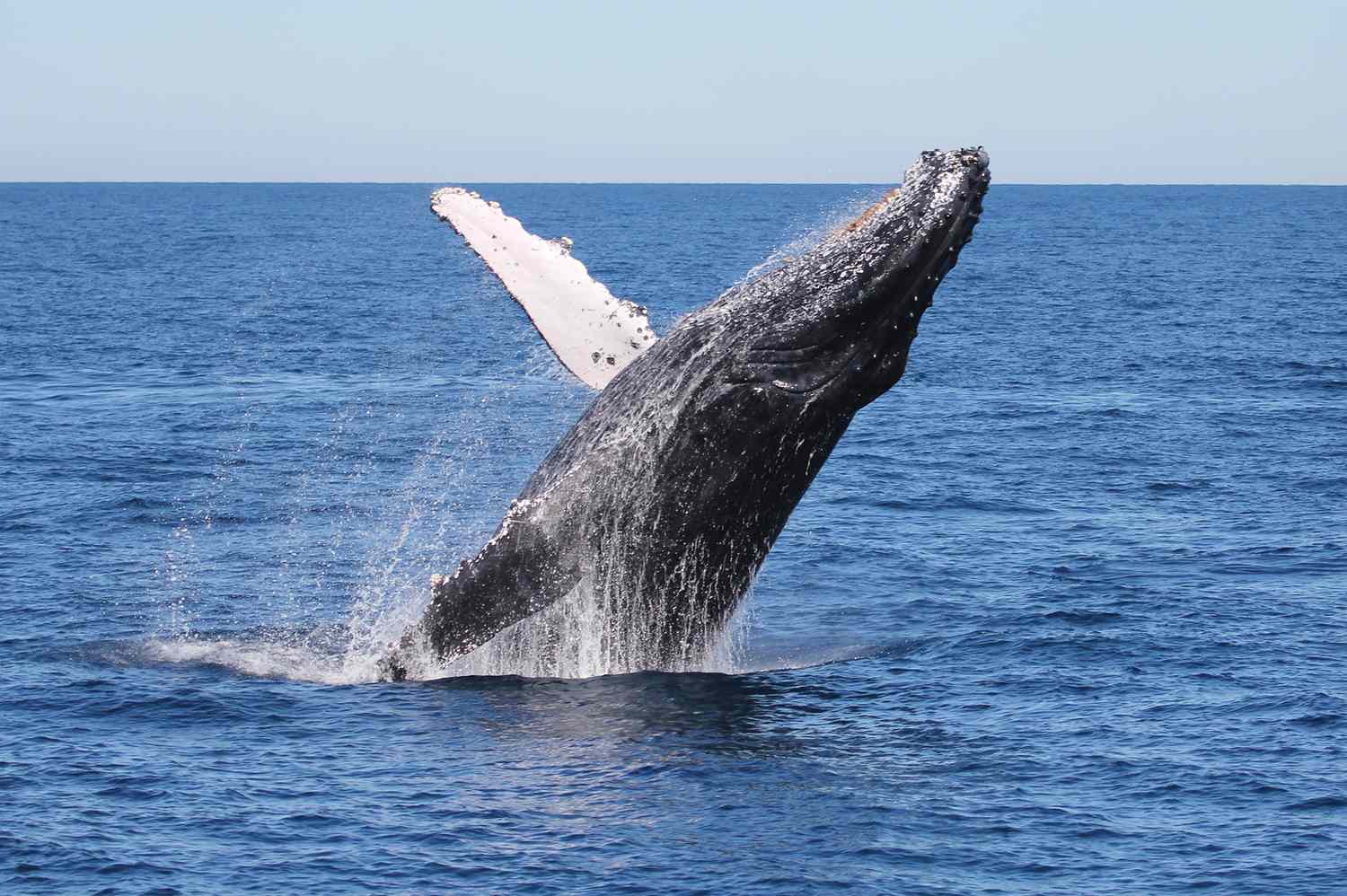
More than 30,000 humpback whales transit Moreton Bay each year, making it the largest humpback migration on Earth by population count. The route follows a 10,000-kilometer corridor between Antarctic krill fields and the Great Barrier Reef's warm breeding lagoons, with Brisbane positioned at the migration's midpoint where the continental shelf narrows to less than 20 kilometers offshore. Whale watching Brisbane time of year planning hinges on understanding two distinct migration phases. The northbound journey from June through August sees whales traveling at speed after months of Antarctic feeding, passing Moreton Bay in tightly spaced pods that prioritize forward movement over surface activity. July delivers the migration's numerical peak, with an estimated 1,500 whales per day moving through the bay's outer channels. August extends this density while introducing more frequent breaching and pectoral fin displays as whales approach breeding grounds and energy reserves allow for increased surface behavior. The southbound return from September through November brings a fundamentally different viewing experience. Female humpbacks with newborn calves move slowly, often pausing in Moreton Bay's protected eastern waters for rest and nursing. Calves born weeks earlier in tropical waters are still building strength, and mothers prioritize sheltered routes over speed. October historically produces the longest surface intervals and highest rates of close-approach encounters as pods seek calm conditions. Water temperature in Moreton Bay during this period holds between 20°C and 23°C, warm enough for extended calf activity but cool enough to prompt gradual southward movement toward Antarctic feeding zones. Weather patterns intersect with biological timing to shape the best whale watching windows in Brisbane. July and August deliver southeast Queensland's driest months, with average rainfall below 50 millimeters and clear visibility extending beyond 15 kilometers on most days. September introduces variable spring conditions with occasional wind shifts, while October balances improving weather against the migration's tapering numbers. Booking whale tours from Redcliffe Jetty during the late-season window means accepting lower daily sighting guarantees in exchange for more interactive encounters when whales do appear.
“October historically produces the longest surface intervals and highest rates of close-approach encounters as pods seek calm conditions.”
Whale Watching Brisbane Time Of Year: Seasonal and Daily Windows
The humpback whale migration season in Moreton Bay occurs annually from June through November, with mid-season providing the highest frequency of sightings. Selecting morning departures often yields calmer sea conditions and greater whale activity.
June to August
Moderate18–22°C; cool and stable
This period marks the northward migration and early returning southern pods. Sightings are consistent as whales move through Moreton Bay.
September to November
High22–26°C; warmer with potential winds
Late season features mothers with calves. The water temperature rises, though afternoon wind speeds can increase.
Weekday mornings
Low—
Mid-week departures minimize vessel congestion at the jetty. Earlier start times capitalize on morning ocean stillness before sea breezes develop.
Verdict: The optimal window is mid-week during the peak months of July to September, prioritizing early morning departure times for the calmest marine conditions.
Operational Hours For Whale Watching Brisbane Time Of Year Planning
The office operates daily to assist with visitor inquiries and tour coordination throughout the whale watching season.
| Monday | 09:00–17:00 | |
|---|---|---|
| Tuesday | 09:00–17:00 | |
| Wednesday | 09:00–17:00 | |
| Thursday | 09:00–17:00 | |
| Friday | 09:00–17:00 | |
| Saturday | 09:00–17:00 | |
| Sunday | 09:00–17:00 |
Directions To Reach Redcliffe Jetty For Whale Watching Brisbane Time Of Year
Whale watching departures are located at Redcliffe Jetty, Redcliffe Parade, Redcliffe QLD 4020, Australia. The site is accessible by vehicle or public transport from the Brisbane central business district.
M1 and State Route 26 (Redcliffe Peninsula)
Redcliffe Peninsula Line to Kippa-Ring Station, then Bus 690
Route 690 from Kippa-Ring Station to Redcliffe Parade
Direct from Brisbane CBD to Redcliffe Parade
Entrance Fees And Costs For Whale Watching Brisbane Time Of Year
Costs for whale watching in Moreton Bay depend on whether you are viewing from public coastal areas or participating in a managed vessel excursion. Access to shoreline locations is free, while maritime tours require a paid booking.
While coastal viewing is free, whale watching tours require a paid booking, with final costs determined by the specific tour operator selected.
Whale Watching Brisbane Time Of Year: Pre-Visit Preparation Checklist
Maritime excursions in Moreton Bay require advance booking, weather-appropriate gear, and attention to health considerations for open-water conditions.
-
Book your tour slot online — Departures fill quickly during peak migration weeks and advance reservation guarantees your preferred date.
-
Confirm your booking 24 hours prior — Operators may reschedule due to sea conditions; early confirmation prevents last-minute surprises.
-
Pack motion sickness medication — Open-water swells in the bay can affect passengers unaccustomed to boat movement.
-
Bring sun protection and layered clothing — UV exposure is high on deck, while wind chill increases once the vessel is underway.
-
Arrive between 09:00–09:45 — This window allows check-in and boarding before scheduled departures without cruise traffic delays.
-
Carry photo ID for check-in — Operators verify bookings against government-issued identification at the jetty.
-
Wear closed, non-slip footwear — Wet decks and ladder access require stable footing throughout the trip.
Check availability
Whale watching Brisbane time of year: Expert FAQ
Everything you need to know about whale watching brisbane time of year